
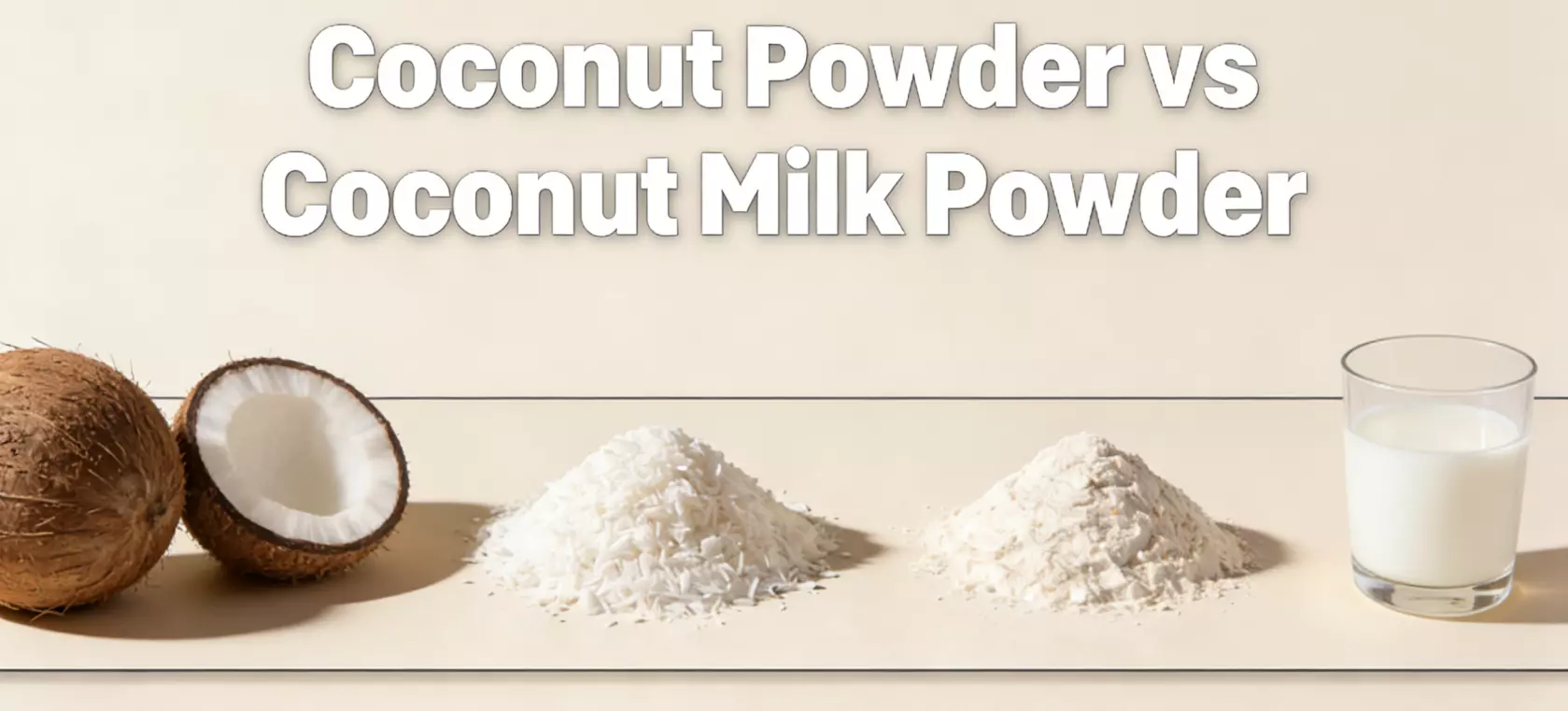
As demand for plant-based ingredients continues to grow, both coconut powder and coconut milk powder have become popular choices in the global food industry.
But many buyers and product developers still ask:
👉 What is the difference between coconut powder and coconut milk powder?
👉 Which one is better for my product?
In this guide, we’ll break down everything you need to know — from composition to applications — helping you choose the right ingredient for your business.
Coconut powder (also known as desiccated coconut powder or coconut meat powder) is made from dried coconut flesh that is finely ground into powder.
Key Features:
Common Keywords:
coconut powder, bulk coconut powder, organic coconut powder supplier
👉 It is widely used in bakery, snacks, and dry mixes.
Coconut milk powder is made by spray-drying coconut milk or coconut cream, often with emulsifiers like maltodextrin.
Key Features:
Common Keywords:
coconut milk powder, coconut milk powder bulk, dairy-free milk alternative
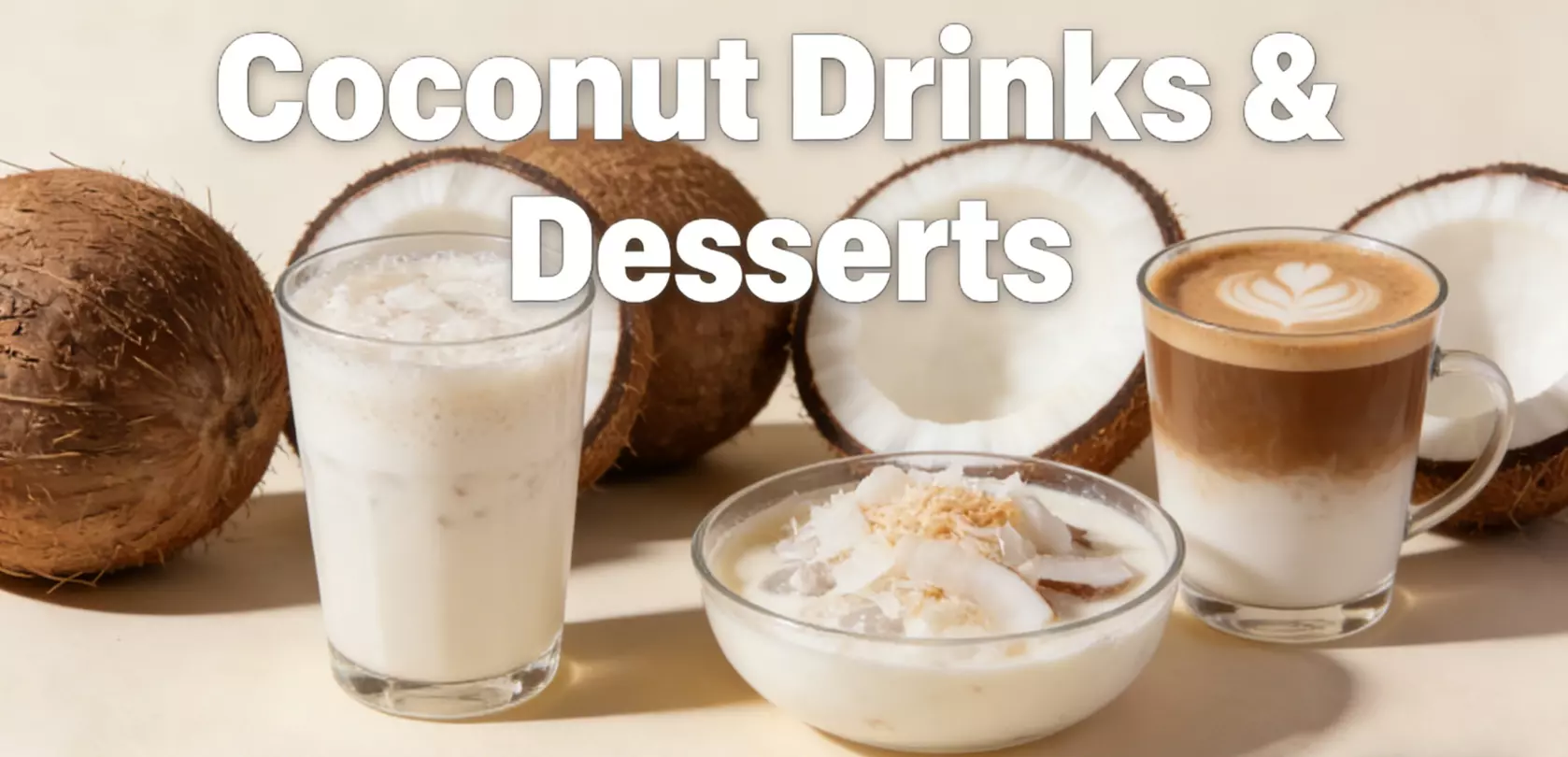
👉 It is ideal for beverages, sauces, and plant-based dairy products.
| Feature | Coconut Powder | Coconut Milk Powder |
|---|---|---|
| Raw Material | Coconut flesh | Coconut milk/cream |
| Fat Content | Low–medium | High |
| Texture | Slightly coarse | Smooth & creamy |
| Solubility | Limited | Excellent |
| Main Use | Food ingredient | Milk substitute |
| Flavor | Strong coconut | Mild & creamy |
| Application | Bakery, snacks | Drinks, sauces |
👉 Main takeaway:
The right choice depends on your product application:
Choose Coconut Powder If You Need:
From a B2B perspective:
👉 If your product requires texture and creaminess, coconut milk powder offers better ROI despite the higher price.
Global demand for vegan and plant-based products is driving rapid growth in coconut milk powder.
Trending keywords:
👉 Food brands are increasingly using coconut milk powder in:
When sourcing bulk coconut powder or coconut milk powder, consider:
👉 A strong supplier can directly impact your product quality and market success.
As an experienced botanical extract & powder manufacturer, we provide:
👉 We are not just a supplier — we are your long-term partner in product innovation.
1. Can coconut powder be used to make coconut milk?
Yes, but the texture is less smooth compared to coconut milk powder.
2. Is coconut milk powder healthier than coconut powder?
It depends on the application — coconut powder has more fiber, while coconut milk powder has more fat.
3. Which is better for coffee?
Coconut milk powder is better due to its creaminess and solubility.
4. Is coconut milk powder vegan?
Yes, it is a popular dairy-free and vegan ingredient.
5. Which one has a longer shelf life?
Both have long shelf life, but coconut powder is slightly more stable.
Understanding the difference between coconut powder vs coconut milk powder helps you make better sourcing decisions and develop more competitive products.
👉 If your focus is flavor and texture in solid foods, choose coconut powder.
👉 If your focus is creaminess and plant-based milk applications, choose coconut milk powder.
👉 Looking for a reliable supplier for coconut powder or coconut milk powder?
Contact us today to get free samples and customized solutions for your business.
Nr. A6 Lugu International Industrial Park, 229# West Tongzipo Road, High-Tech Development Zone, Changsha 410205, Hunan, VR China
13142031766



We work with business customers and manufacturers. Individual consumer orders are not accepted.

 DE_AT
DE_AT  EN
EN  DE
DE  ZH
ZH  DE_CH
DE_CH  ES
ES  FR
FR  FR_CA
FR_CA  AF
AF  JA
JA  EN_AU
EN_AU  EN_GB
EN_GB  EN_CA
EN_CA  ES_CL
ES_CL  RU
RU