
Can't find what you need? → Request a Custom Ingredient


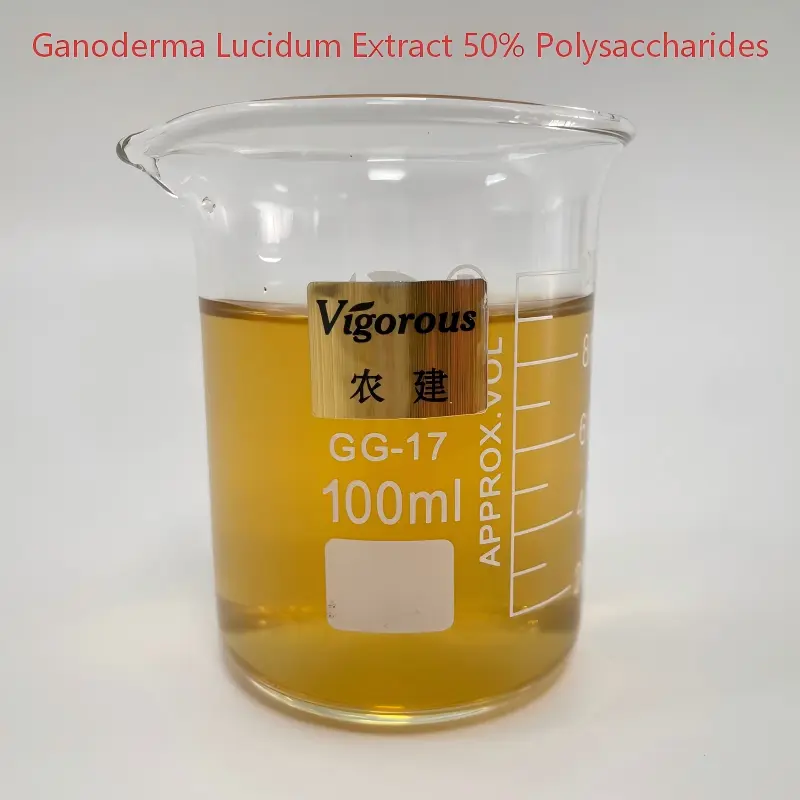
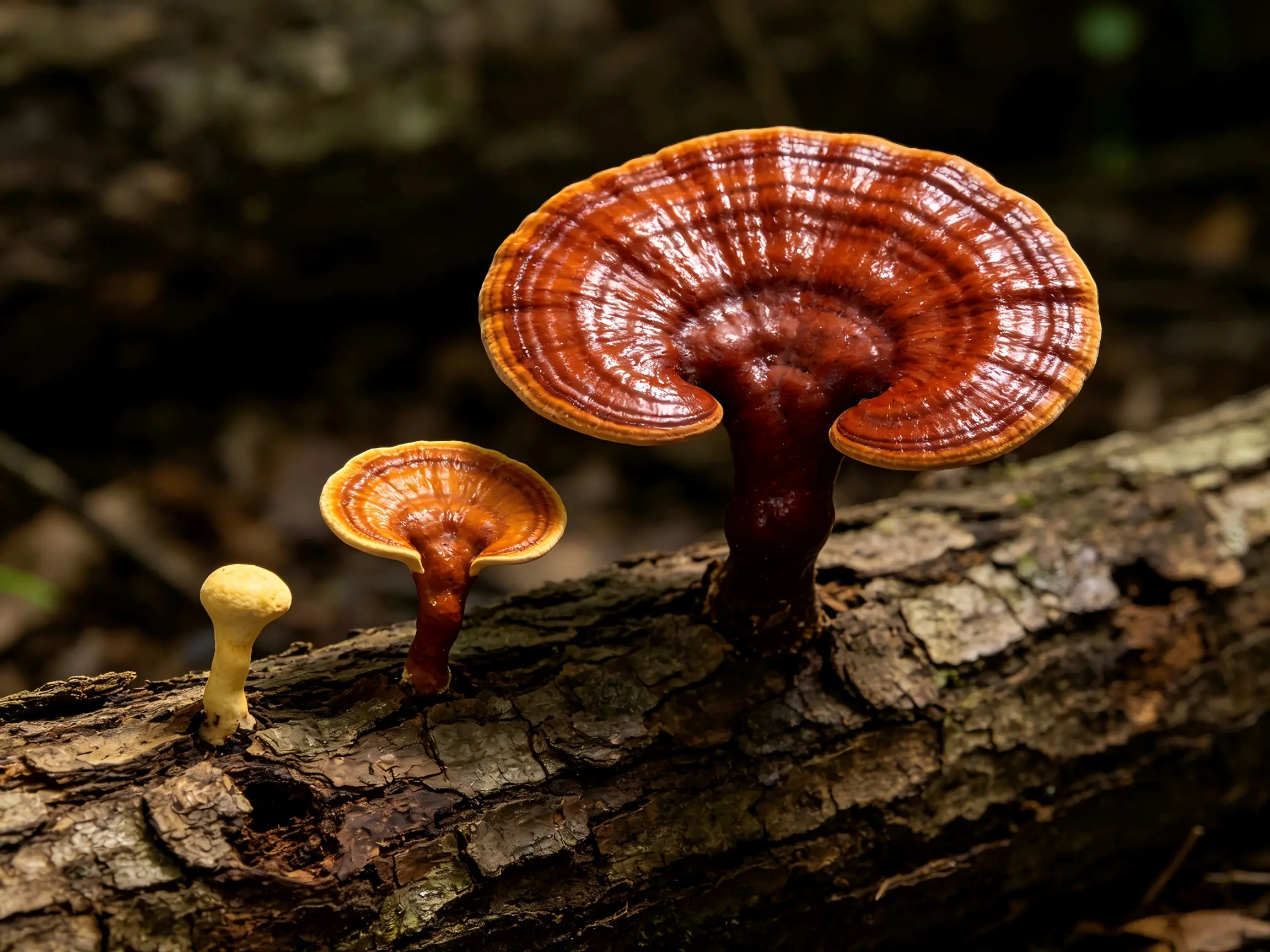
REISHI EXTRACT β-GLUCAN 20%
Leading Reishi Extract Manufacturer in China
200+ MT
Annual Production Capacity
20% β-Glucan
Standardized Specification
GMP / FSSC 22000
Quality Management
Global B2B Supply
Bulk & Customized Solutions


Reishi mushroom has moved far beyond the traditional herbal ingredient category.
Today, Ganoderma lucidum, commonly known as Reishi or Lingzhi, is used by supplement brands, functional food manufacturers, beverage companies, gummy producers and nutraceutical developers across North America and Europe.
But for B2B buyers, purchasing Reishi extract is no longer simply a matter of asking for “10:1 Reishi powder.”
The more important questions are:
These questions are becoming increasingly important as Reishi products become more standardized in the US and European markets.
Commercial products currently available in Europe and North America show several specification models, including ratio extracts, 20% β-glucan extracts, and higher-potency 30%+ β-glucan products. This means there is no single universal specification, but standardized β-glucan content has become an increasingly useful purchasing language for professional buyers.
For many food, beverage and dietary supplement applications, a Reishi fruiting-body extract standardized to approximately 20% β-glucan represents a practical specification.
A typical B2B specification may look like:
| Parameter | Typical B2B Requirement |
|---|---|
| Botanical name | Ganoderma lucidum |
| Common name | Reishi Mushroom |
| Material | Mushroom extract powder |
| Preferred source | Fruiting body |
| β-Glucan | ≥20% |
| Polysaccharides | Specification-dependent |
| Triterpenes | Optional / customized |
| Extraction | Water or dual extraction |
| Appearance | Fine brown to yellow-brown powder |
| COA | Available |
| Heavy metals | Test available |
| Pesticide residues | Test available |
| Microbiology | Test available |
| Botanical identity | Third-party verification available |
The key point is that β-glucan percentage and extraction ratio are not interchangeable specifications.
A supplier may offer a 10:1 or 20:1 Reishi extract without specifying its actual β-glucan concentration. Conversely, a standardized extract can define a minimum β-glucan level regardless of whether the marketing material emphasizes the extraction ratio.
Recent B2B purchasing guidance specifically recommends that buyers compare the named active marker and the analytical method rather than treating extraction ratios and active-compound percentages as equivalent.
A 20% β-glucan specification sits between basic Reishi powder and higher-potency premium extracts.
This makes it particularly useful for manufacturers who need:
Consistent active content + scalable supply + formulation flexibility + reasonable cost control.
For example, European commercial Reishi products currently include fruiting-body extracts standardized around 20% β-glucan, while some premium dual extracts additionally specify around 4% triterpenes.
In the US market, 20% β-glucan Reishi extracts are also commercially used in standardized and dual-extract products.
At the same time, 30% β-glucan products are also available, particularly in higher-potency supplement ingredients.
Therefore, rather than simply asking:
“Which percentage is the highest?”
professional buyers should ask:
“Which specification gives my formulation the right combination of potency, consistency, cost and application performance?”
That is where a standardized 20% β-glucan grade can become commercially attractive.
One of the most common problems when sourcing mushroom extracts is the use of different terminology.
1. β-Glucans
β-glucans are an important class of polysaccharides naturally present in mushrooms.
For B2B purchasing, specifying β-glucan can provide a more targeted specification than simply requesting “polysaccharides.”
For example:
30% polysaccharides ≠ 30% β-glucan
These two specifications should not automatically be considered equivalent.
2. Total Polysaccharides
Many Reishi extracts are still marketed using total polysaccharide content.
This can be useful as part of a specification, but buyers should confirm exactly what the analytical method measures.
3. Triterpenes
Reishi also contains triterpenoid compounds, including ganoderic and related acids.
This is particularly relevant when buyers are developing dual-extract or full-spectrum Reishi ingredients.
Current European products demonstrate this trend: some fruiting-body dual extracts specify both β-glucans and triterpenes, rather than relying on a single marker.
The source material matters.
A professional Reishi specification should clearly identify whether the ingredient is derived from:
Fruiting-body Reishi is widely used in premium European and North American ingredient products, and suppliers increasingly highlight 100% fruiting body, no fillers and no mycelium-on-grain material as differentiation points.
For this reason, we recommend that buyers include “Part Used” in their purchasing specification instead of simply writing “Reishi Extract.”
At Changsha Vigorous-Tech, we focus on supplying Reishi extract as a B2B ingredient rather than simply selling a generic mushroom powder.
Our standard product is positioned around:
Reishi Mushroom Extract — β-Glucan 20%
Botanical Name: Ganoderma lucidum
Key Active: β-Glucan
Standard Specification: 20%
Application: Dietary supplements, functional foods, beverages, gummies, mushroom coffee, powdered formulations and other functional ingredient applications.
Our current product information lists 20% β-glucan as a standardized specification, with more than 200 MT annual production capacity for the Reishi extract line.

The difference is not simply the number “20%.”
For a professional B2B buyer, the real value is the complete supply chain behind the specification.
1. Raw Material Identity Comes First
Our Reishi sourcing system is designed around raw-material control and traceability.
We have our own Ganoderma cultivation resources, helping us control the raw-material supply chain and support traceability.
For international buyers, this provides a stronger foundation than simply purchasing an unidentified mushroom extract from the spot market.
2. Botanical Identity Verification
The specification starts with knowing exactly what the raw material is.
Our quality system can support botanical identity verification and third-party testing, including Eurofins testing resources.
This is particularly important for B2B buyers who need documentation for:
3. Standardized β-Glucan Specification
Instead of relying only on:
“10:1 Reishi Extract”
we focus on a more useful purchasing parameter:
Reishi Extract — β-Glucan 20%
This gives formulators a defined active-content target.
We can also discuss customized β-glucan, triterpenoid and extraction-ratio requirements according to the customer’s application.
4. Quality Documentation for Professional Buyers
A B2B ingredient should come with more than a product photo and a specification sheet.
Depending on the project, we can provide:
Our website currently lists international quality resources including Eurofins, SGS, NSF and AACL testing reports, together with FSSC 22000, ISO 22000, ISO 9001, cGMP, Kosher, Halal and Organic-related certifications/resources.
Not every customer needs exactly the same Reishi extract.
A supplement capsule manufacturer may prioritize:
β-glucan + triterpenes + high potency
while a beverage manufacturer may prioritize:
solubility + taste + dispersibility + stable supply
A gummy manufacturer may require:
active-content consistency + formulation compatibility + low dosage
Therefore, we do not treat one specification as the answer for every application.
Our technical team can discuss:
Our current product documentation specifically states that customized active-compound specifications, extraction ratios and technical parameters can be discussed for B2B projects.
Instead of comparing suppliers only by price per kilogram, we recommend evaluating the entire supply chain.
| Purchasing Factor | Generic / Low-Documentation Supply | Our B2B Solution |
|---|---|---|
| Botanical identity | Sometimes only product name | Ganoderma lucidum specified |
| Raw-material traceability | May be limited | Cultivation resources + traceability |
| Specification | Often 10:1 or polysaccharides only | β-glucan 20% standardized grade |
| Active marker | May be unclear | β-glucan testing available |
| Triterpenes | Often not specified | Testing/custom specification available |
| COA | Basic / request-dependent | Available for qualified B2B orders |
| Third-party testing | May be unavailable | Available according to project |
| Botanical identity testing | Not always available | Third-party identity verification |
| Certifications | Supplier-dependent | Multiple international quality certifications |
| MOQ | Fixed in some supply chains | Flexible B2B MOQ |
| Custom specification | Limited | Available |
| Application support | Product-focused | Sample → Trial Order → Mass Production |
| Long-term supply | Depends on raw material | Production capacity + supply-chain control |
The purpose of this comparison is not to say that every competing supplier lacks these capabilities. Rather, it shows what an international B2B buyer should verify before choosing a Reishi extract supplier.
For a new Reishi product, purchasing a raw material is only the first step.
Our preferred B2B workflow is:
Sample → Testing → Formulation Trial → Trial Order → Mass Production
This allows customers to evaluate:
before moving into larger-scale procurement.
Our website states that samples, COAs, third-party testing and customized specifications can be discussed according to project requirements.
Our Reishi extract can be considered for a broad range of B2B formulations, including:
Dietary Supplements
Functional Beverages
Gummies
Functional Foods
The European market already includes Reishi extracts in powder and supplement formats, while North American products demonstrate applications in capsules and other wellness formats.
For a long-term B2B project, the most important question is not:
“How much is one kilogram?”
It is:
“Can this supplier provide the same specification next year, with the documentation my company requires?”
This is why we focus on:
Raw Material Control
↓
Botanical Identity
↓
Standardized Active Content
↓
Extraction & Manufacturing
↓
Third-Party Testing
↓
COA & Documentation
↓
Technical Support
↓
Stable B2B Supply
Our company was founded in 2005 and has technical cooperation/resources involving 6 universities and 2 research institutions. Our manufacturing system is supported by certifications including cGMP, FSSC 22000, ISO 22000, ISO 9001 and SC, with Kosher and Halal compliance and additional testing resources.
20+ Years of Manufacturing Experience
Founded in 2005, we have more than two decades of experience in botanical extracts and functional ingredients.
200+ MT Annual Reishi Extract Capacity
Our current Reishi product line lists more than 200 MT annual production capacity.
20% β-Glucan Standardized Specification
A practical specification for supplement, food and beverage formulation.
Raw Material Traceability
Our own Ganoderma cultivation resources support raw-material control and traceability.
Third-Party Testing
Testing can be arranged according to customer and target-market requirements.
Flexible Customization
We can discuss customized active-compound specifications, extraction ratios and other technical parameters.
International Documentation
COA, certification documents and third-party laboratory reports can support supplier qualification and product development.
B2B-Focused Service
We work with manufacturers and business customers rather than individual consumers.
There is no universal answer.
If your priority is cost-effective standardized formulation and broad application, 20% β-glucan can be a practical specification.
If your formulation requires higher active concentration per gram, a 30% or higher specification may be appropriate.
If your product is positioned around a broader Reishi compound profile, you may want to specify:
β-glucan + triterpenes
rather than β-glucan alone.
The important point is to compare products using the same measurement system, test method and source material. Current commercial offerings show substantial variation in extraction ratios, β-glucan levels and triterpene specifications.
A reliable Reishi ingredient is more than a brown powder in a 25 kg drum.
For international B2B buyers, the real product is:
Reliable Raw Material
Verified Botanical Identity
Standardized Active Content
Quality Documentation
Third-Party Testing
Technical Support
Flexible Customization
Long-Term Supply
That is the difference between simply purchasing Reishi powder and establishing a reliable Reishi ingredient supply chain.
Looking for Reishi Mushroom Extract β-Glucan 20% for your next supplement, functional beverage, gummy or food project?
Changsha Vigorous-Tech can provide:
✓ Product Specification
✓ COA
✓ β-Glucan Testing
✓ Triterpenoid Testing
✓ Third-Party Testing
✓ Botanical Identity Verification
✓ Certification Documents
✓ Samples
✓ Customized Specifications
✓ Bulk B2B Supply
Tell us your target specification, application and required quantity.
From Sample → Trial Order → Mass Production


No. A6 Lugu International Industrial Park, 229# West Tongzipo Road, High-tech Development Zone, Changsha 410205, Hunan, P.R China
13142031766



We work with business customers and manufacturers. Individual consumer orders are not accepted.

 EN
EN  DE
DE  ZH
ZH  DE_AT
DE_AT  DE_CH
DE_CH  ES
ES  FR
FR  FR_CA
FR_CA  AF
AF  JA
JA  EN_AU
EN_AU  EN_GB
EN_GB  EN_CA
EN_CA  ES_CL
ES_CL  RU
RU